Category: Uncategorized

  • Central locking problems: why one door will not lock or unlock

    Central locking problems: why one door will not lock or unlock

    Central locking uses a small motor, called an actuator, in each door. When the lock acts up, the symptoms tell you a lot about the cause.

    What the symptoms mean

    • One door will not lock or unlock. The actuator in that door has probably failed. A buzzing or grinding sound from the door supports this.
    • No doors respond to the button. Check the fuse and relay, or a fault in the control module.
    • Locks work with the key but not the remote. This points to the fob or the receiver, not the actuators.
    • Locks work sometimes. A loose connection or worn wiring in the door hinge area is typical.
    • Doors lock and unlock by themselves. A faulty switch or a short in the wiring can trigger this.

    Why it matters

    A door that will not lock is a security risk, and a door that will not unlock can trap passengers in a hot car. It is worth fixing early.

    What you can do

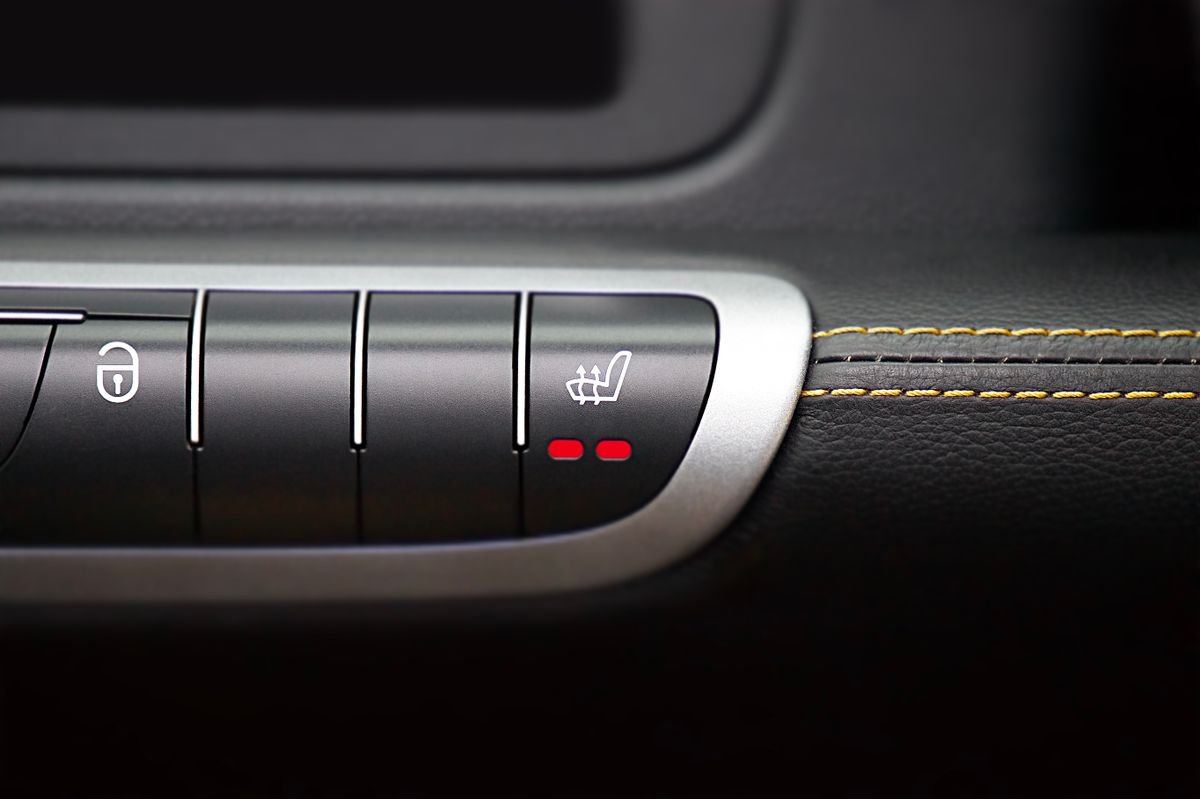
    • Press the lock and unlock button on the door and on the dashboard, and note which doors react.
    • Listen for a motor sound at each door.
    • Check whether the alarm light on the dashboard behaves normally.

    Tell the technician what you noticed. It shortens the diagnosis and helps avoid replacing parts that are fine.
  • Check engine light on: should you keep driving?

    Check engine light on: should you keep driving?

    The check engine light is the car telling you that the computer found something outside its normal range. It does not say what, only that a code has been stored.

    Steady or flashing?

    • Steady light. A fault has been detected. The car is usually safe to drive for a short time, but you should have it scanned soon.
    • Flashing light. This usually means a serious problem such as a misfire. Reduce speed, avoid heavy acceleration and stop as soon as it is safe.

    Common reasons the light comes on

    • A loose or faulty fuel cap.
    • A faulty oxygen sensor.
    • Worn spark plugs or ignition coils.
    • A mass airflow sensor problem.
    • A fault in the emissions system.
    • Electrical faults such as a poor connection to a sensor.

    Notice how the car behaves

    • Rough running, loss of power or poor fuel economy.
    • Strange smells or smoke.
    • Overheating or other warning lights at the same time.

    The right next step

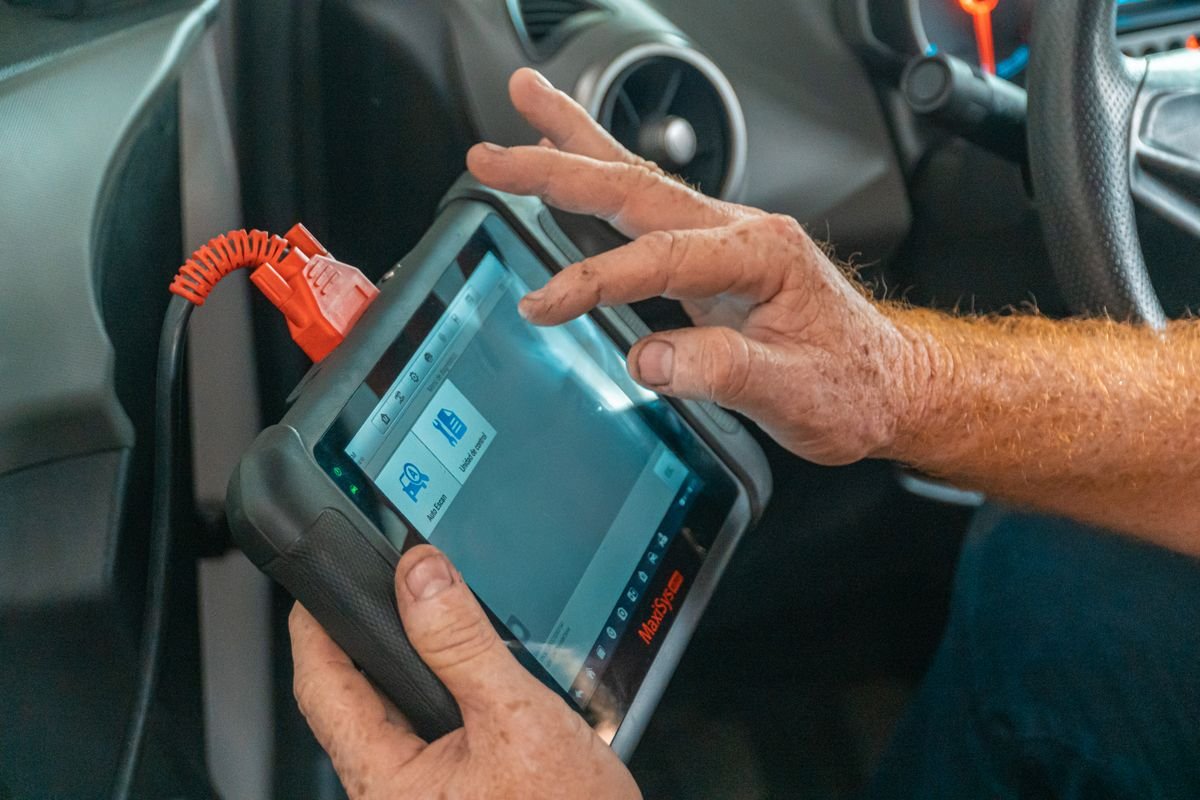
    A diagnostic scan reads the stored code and points to the area of the fault. It does not name the broken part by itself, so a technician then tests the circuit to confirm. Clearing the light without fixing the cause only makes it return.

  • Car A/C not turning on: why the compressor will not engage

    Car A/C not turning on: why the compressor will not engage

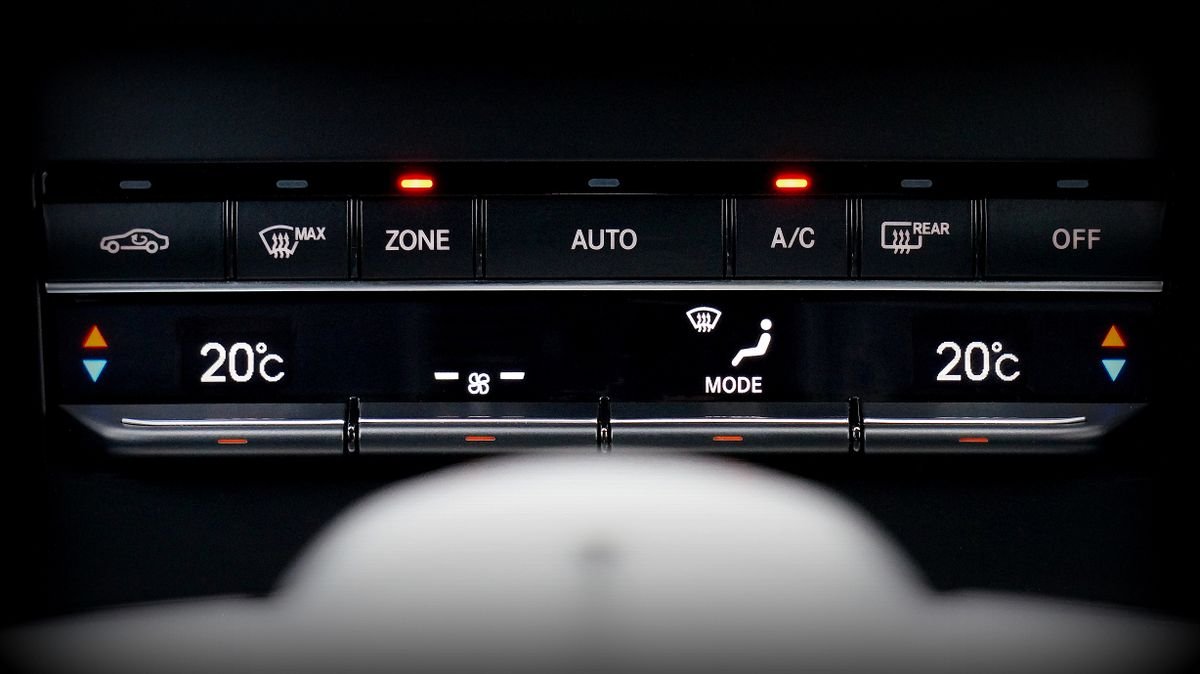
    When you press the A/C button you normally hear a small click from the engine bay and the engine note changes slightly. That is the compressor clutch engaging. If you do not hear it, the system is not cooling.

    Why the compressor may not engage

    • Low refrigerant. A safety switch stops the compressor if the pressure is too low, which usually means a leak.
    • Blown fuse or faulty relay. A simple electrical fault that is quick to check.
    • Failed clutch coil. The electromagnet on the compressor stops working.
    • Faulty pressure switch or sensor. The system thinks something is wrong when it is not.
    • Wiring or connector problems. Heat and vibration in the engine bay can damage connectors over time.
    • Seized compressor. Often accompanied by noise and a squealing belt.

    Signs to mention to the technician

    • Whether you hear the click when the A/C is switched on.
    • Any noise from the front of the engine when the A/C is on.
    • Whether the cooling was gradually getting worse or stopped suddenly.

    A system that stops suddenly often has an electrical cause. One that slowly got weaker usually has a leak. Telling the technician which it was saves time.

  • Car A/C cold, then warm? Why the cooling comes and goes

    Car A/C cold, then warm? Why the cooling comes and goes

    An A/C that is ice cold at first and then turns warm, or only cools at highway speed, is a common complaint in hot weather. The pattern helps point to the cause.

    Possible causes

    • Evaporator freezing. Ice builds up on the coil and blocks the air. It melts once the system is switched off, so the air is cold again after a rest.
    • Low refrigerant. The system cools weakly, and cooling drops further when the engine is hot or the car is idling.
    • Condenser fan not working. Cooling is fine at speed but gets warm in traffic.
    • Dirty condenser. Dust and debris at the front of the car stop heat from leaving the system.
    • Failing compressor clutch. It cuts in and out when it gets hot.
    • Faulty thermostat sensor or control. The system switches off when it should not.

    Pay attention to when it happens

    • Warm in traffic but cold on the highway: look at the fans and condenser.
    • Cold, then weak airflow after ten minutes: look at icing.
    • Cooling gets worse week by week: look at refrigerant level and leaks.

    A short note of when the problem appears is very useful for the technician, and it is often enough to narrow down the fault before any parts are touched.

  • What happens during an auto electrical diagnosis

    What happens during an auto electrical diagnosis

    Electrical faults can be confusing because the symptom is not always where the problem is. A proper diagnosis is a step-by-step process, not guesswork.

    The usual steps

    • Listening to you. When does it happen? Hot or cold? After rain? Since a recent repair? Your description often points straight to the area.
    • Visual inspection. Battery terminals, fuses, connectors, wiring that has rubbed or been damaged.
    • Testing the basics. Battery condition and charging output, because a weak supply causes many strange faults.
    • Scanning the car. A diagnostic tool reads stored fault codes from the car computers.
    • Testing the circuit. A multimeter or test lamp shows where power or signal is lost, and confirms the faulty part.
    • Explaining the result. What is wrong, what it will take to fix and what is optional.

    How you can help

    • Write down the symptoms and when they appear.
    • Mention recent work on the car, accessories added or any water exposure.
    • Bring all the keys, as some faults depend on the key in use.

    Why a proper diagnosis saves money

    Replacing parts by guesswork can cost much more than testing first. A confirmed fault means you pay for the right repair once.