Category: Uncategorized

  • Warning light on? What the dashboard colours mean

    Warning light on? What the dashboard colours mean

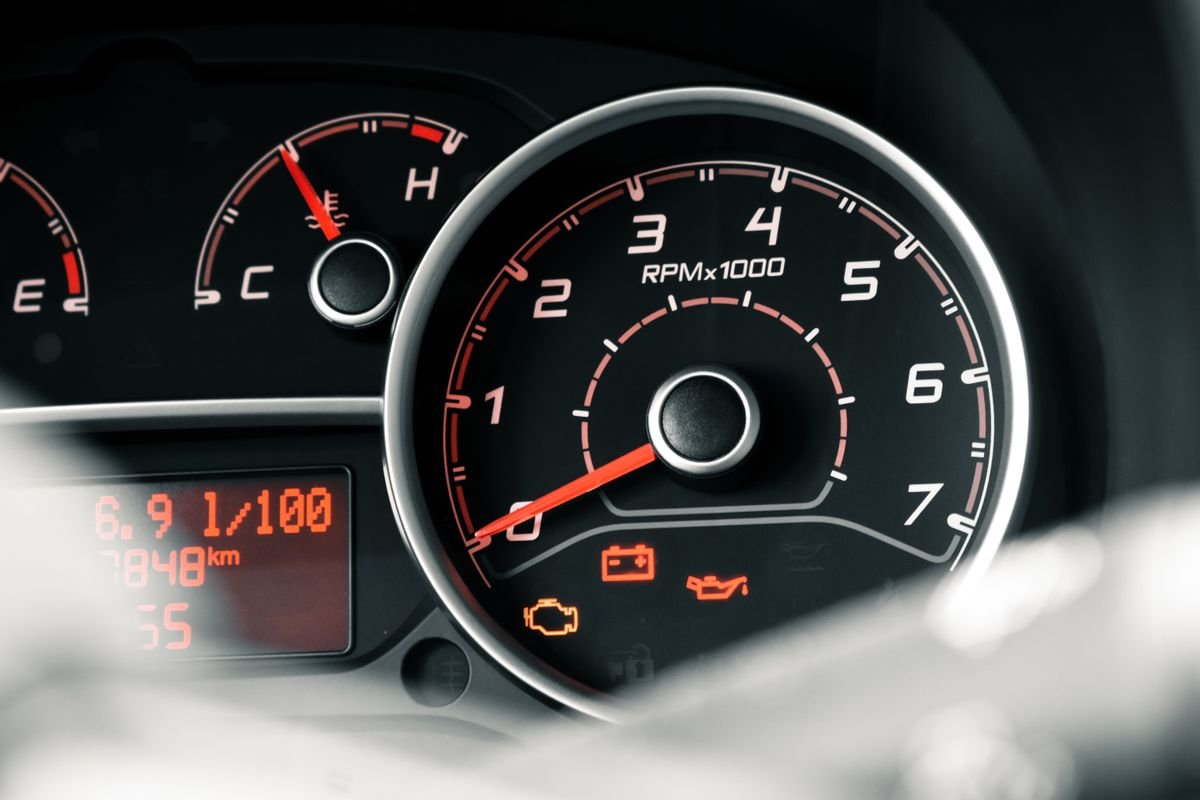
    Dashboard lights mostly follow a colour pattern. Red usually means a serious fault, so stop safely. Amber or yellow usually means a fault that should be checked soon. Green or blue usually just shows a system is on.

    Lights drivers ask about most

    • Battery light: a charging problem. It could be the alternator, the belt or the battery, and the car may stop once the battery runs flat.
    • Engine temperature: the engine is overheating. Pull over safely and switch off.
    • Oil pressure: stop as soon as it is safe. Driving on can damage the engine.
    • Check engine or engine management: the car has logged a fault. A scan reads the stored code, which points the check in the right direction.
    • ABS or airbag: a safety system has flagged a fault and should be checked.

    Your owner manual lists the exact meaning of each light for your car.

    Why scanning matters

    A fault code points to an area, not always to a part. Fault-finding after the scan confirms what has actually failed, so you do not pay to replace parts that were fine.
  • Car A/C smells bad? Musty, vinegar or burning smells explained

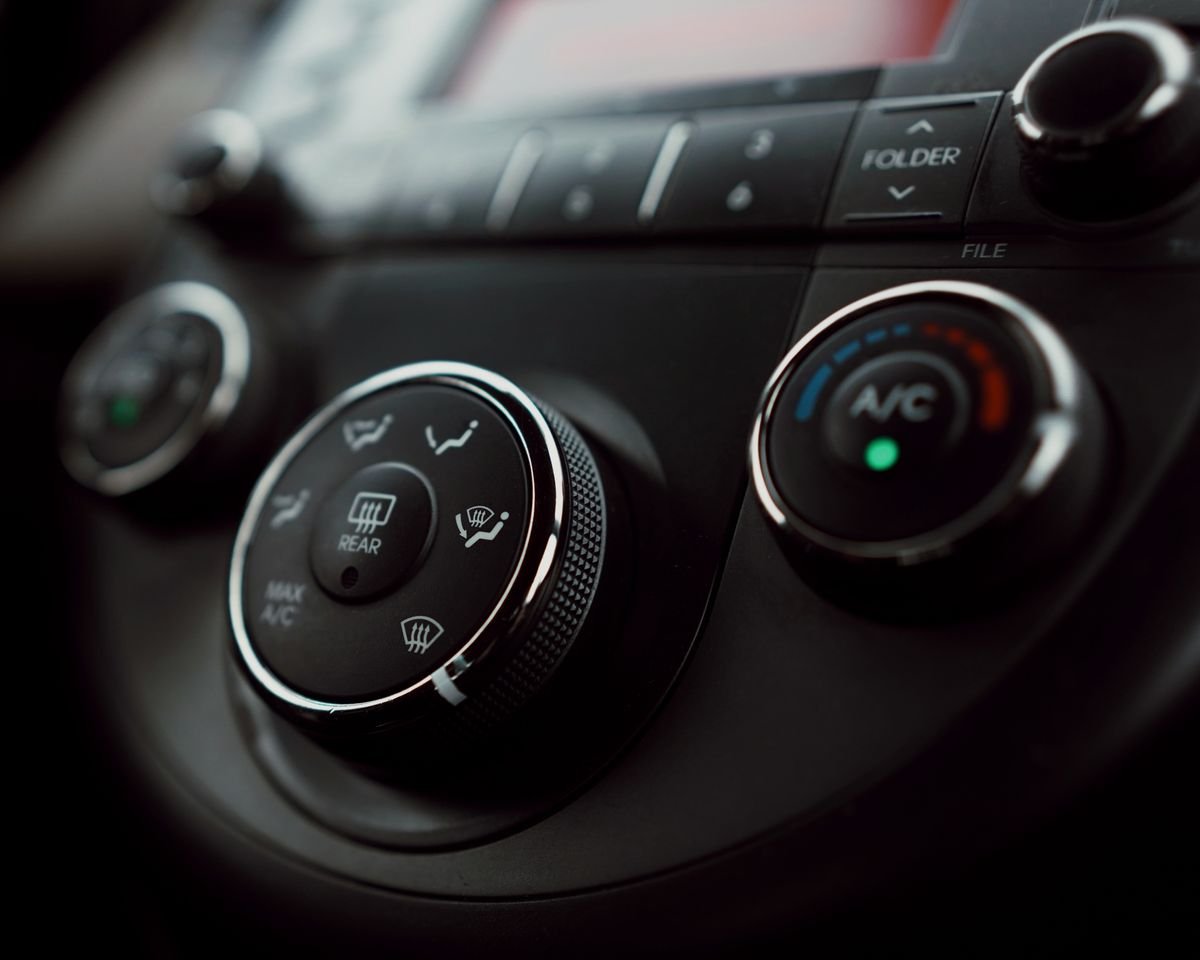
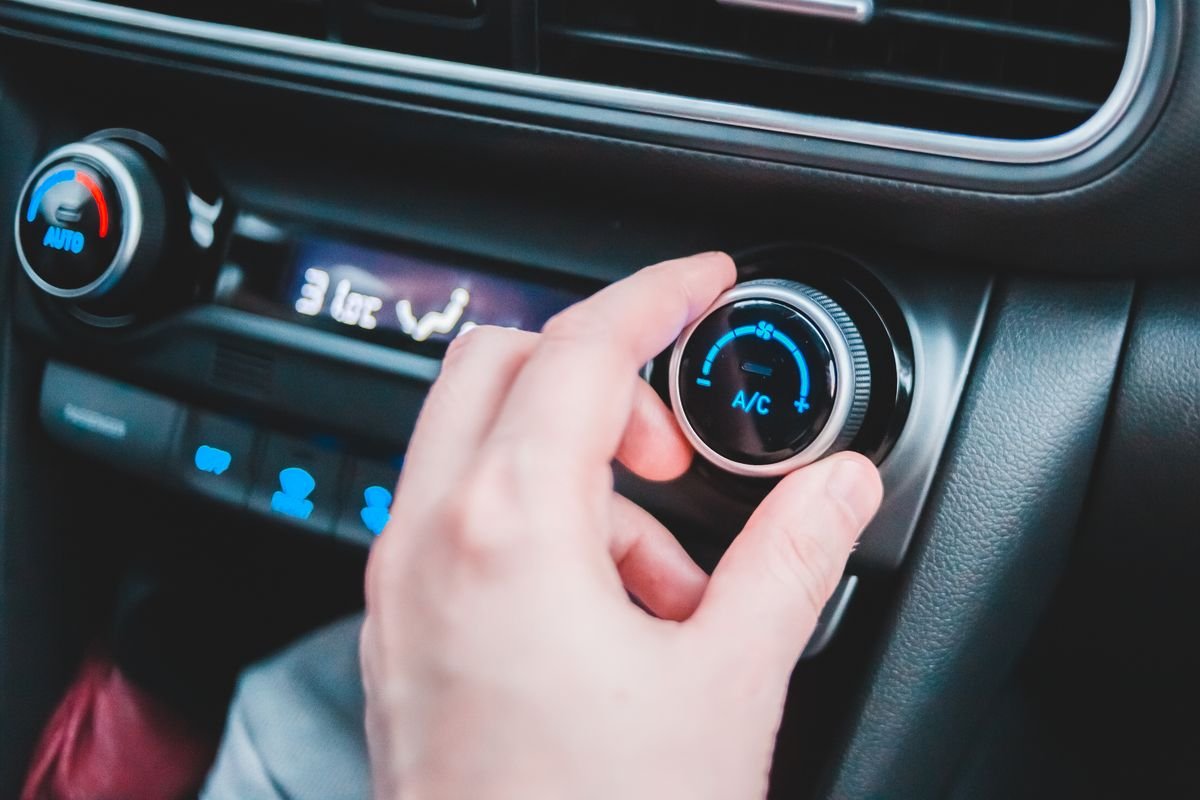
    Car A/C smells bad? Musty, vinegar or burning smells explained

    You switch on the A/C and a strange smell hits you. In a hot, humid place like Sharjah this is very common, and the smell usually tells you what is going wrong.

    Common smells and what they point to

    • Musty or damp socks. Moisture sits on the evaporator behind the dashboard and mould grows. A blocked drain or a dirty cabin filter makes it worse.
    • Sour or vinegar smell. Often bacteria on the evaporator. It tends to appear in the first minute after starting the A/C.
    • Sweet smell. Can be a coolant leak from the heater core. If the windscreen fogs with an oily film, get it checked soon.
    • Burning or electrical smell. Could be a slipping belt, a failing blower motor or a hot wire. Switch the A/C off and have it inspected.

    Things you can try first

    • Replace the cabin air filter, it is cheap and often the cause.
    • Turn the A/C off a couple of minutes before you arrive and run only the fan, so the evaporator can dry.
    • Use fresh air mode now and then instead of recirculate all the time.
    • Check that the A/C drain tube under the car is not blocked: a puddle inside the footwell is a warning sign.

    When to book a check

    If the smell comes back within days of changing the filter, the evaporator probably needs a proper clean. A burning or electrical smell should always be looked at quickly, because it can be a safety issue and not only a comfort one.

  • Car A/C blowing weak air? Causes of low airflow

    Car A/C blowing weak air? Causes of low airflow

    Cold air that barely moves is a different problem from warm air. The refrigerant side can be fine while something is blocking or slowing the air itself.

    Likely causes

    • Clogged cabin filter. Dust in Gulf conditions clogs filters quickly, and airflow drops across every speed.
    • Failing blower motor. If only the highest fan speed works, the blower resistor is a common culprit. A squealing or rattling sound points to the motor itself.
    • Blocked or collapsed ducts. Less common, but leaves, debris or a loose duct can limit the flow to the vents.
    • Iced-up evaporator. If airflow starts strong and then fades, the coil may be freezing. Low refrigerant or a faulty sensor can cause this.

    A quick test at home

    Set the fan to each speed in turn and listen. Note which speeds work and whether the sound changes. Then check the cabin filter, which is usually behind the glovebox. Tell the technician what you noticed, because it speeds up the diagnosis.

    Do not ignore it

    Weak airflow makes the compressor work harder and can leave the cabin foggy in humid weather. A short check is cheaper than a repair later.

  • Car battery draining overnight? Common causes of a flat battery

    Car battery draining overnight? Common causes of a flat battery

    A car that starts fine in the evening and is flat by morning almost always has one of three problems: an old battery, something drawing power while parked, or a charging fault.

    What usually causes it

    • Old battery. Heat is hard on batteries. Many only last a few years here, and a weak one cannot hold charge overnight.
    • Parasitic drain. A stuck relay, a boot or glovebox light that stays on, a faulty alarm or an aftermarket stereo or dashcam wired badly can all drain power.
    • Alternator not charging. If the battery is not topped up while you drive, it will flatten even if it is healthy.
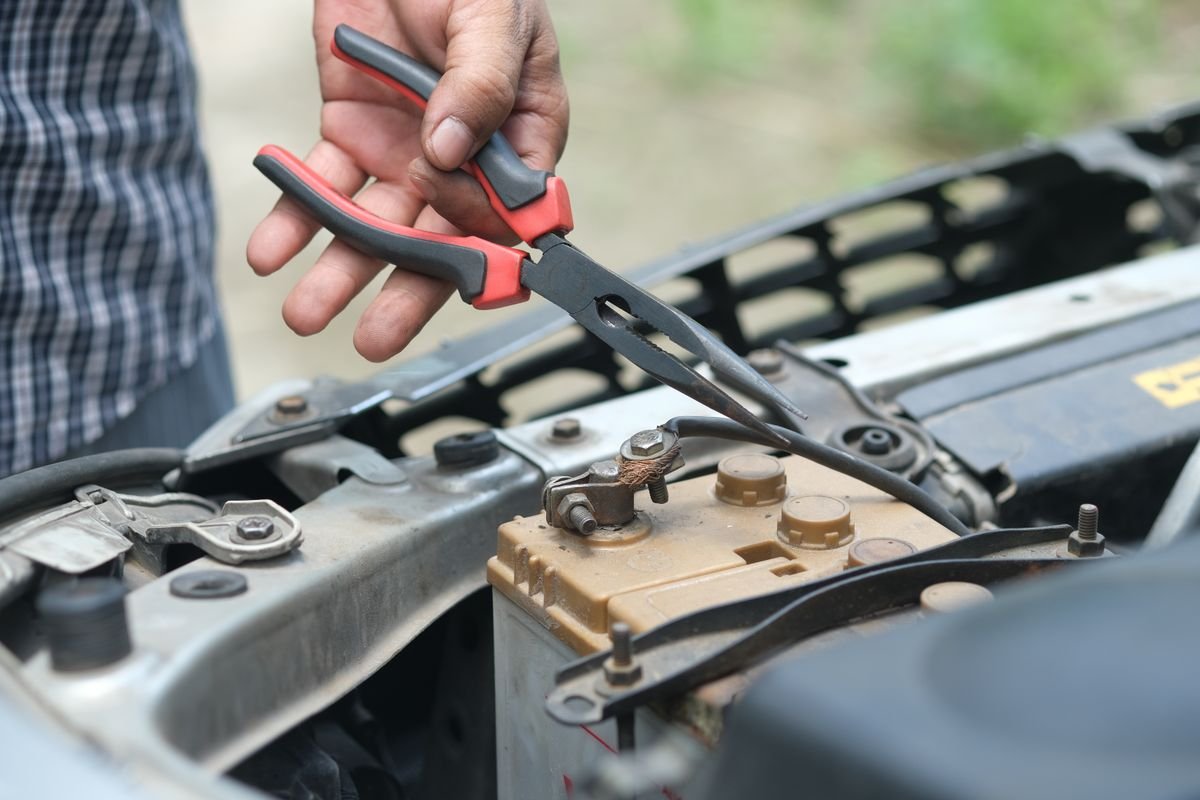
    • Loose or corroded terminals. A poor connection stops charging and can also cause hard starts.

    Signs to watch

    • Slow cranking in the morning.
    • Interior lights or dashboard dim when you start.
    • A battery warning light while driving.
    • White or green crust around the terminals.

    What to do

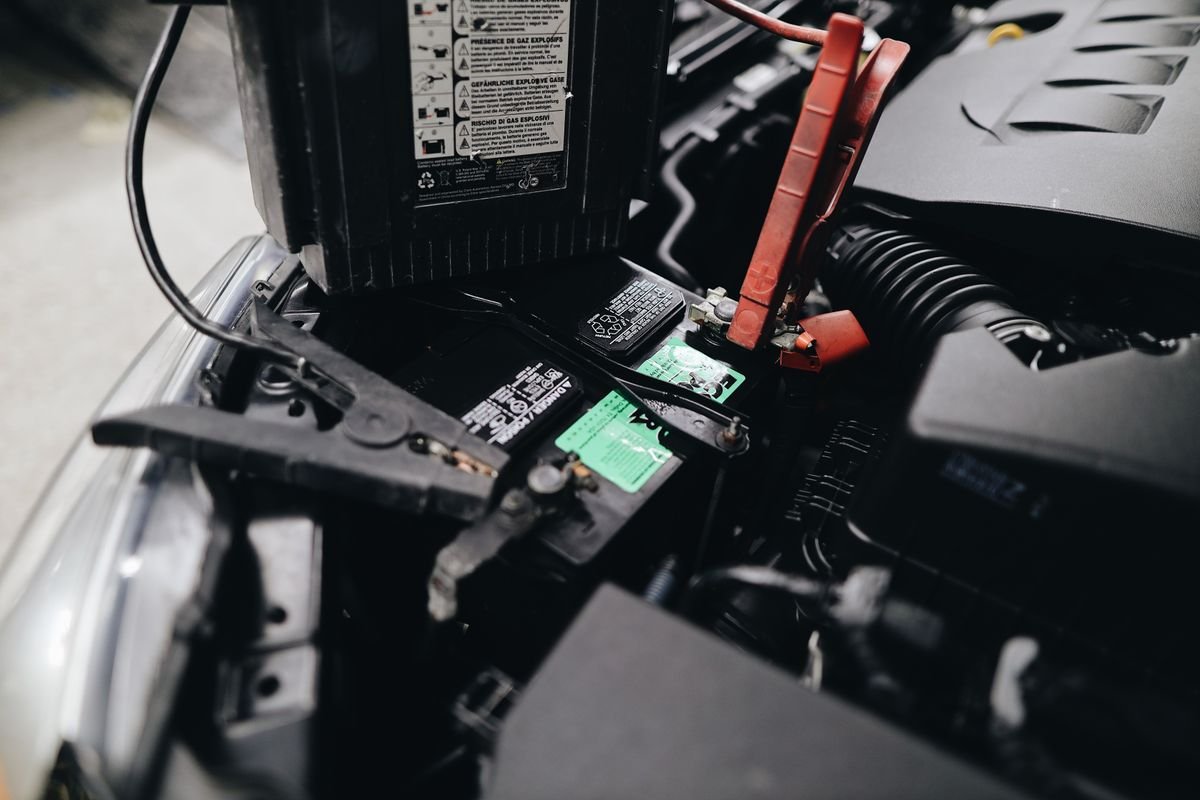
    A jump start will get you going, but it does not find the cause. Have the battery tested, the alternator output checked and the car scanned for a drain. Fixing the cause means you will not be stuck again next week.

  • Signs your alternator is failing (before it leaves you stranded)

    Signs your alternator is failing (before it leaves you stranded)

    The alternator charges the battery and powers the electrics while the engine runs. When it fails, the car runs on battery alone until that is empty, and then it stops.

    Warning signs

    • Battery or charging light on the dashboard, even if it flickers.
    • Dim or flickering headlights, especially at idle and getting brighter when you rev.
    • Whining or grinding noise from the front of the engine that changes with revs.
    • Electrical oddities. Slow windows, a weak stereo or a flickering dash.
    • Repeated flat battery even after a replacement.
    • Burning smell from a slipping belt or an overheating alternator.

    Alternator or battery?

    The two get confused all the time. A simple rule: if the car starts after a jump but dies soon after, the alternator is more likely. If it will not hold a charge but runs fine while driving, the battery is more likely. A proper test with a meter settles it in minutes.

    Do not wait

    Driving until it stops can leave you stuck on a busy road. If you notice these signs, get it tested while the car still runs normally.

  • Headlights dim or flickering? What could be causing it

    Headlights dim or flickering? What could be causing it

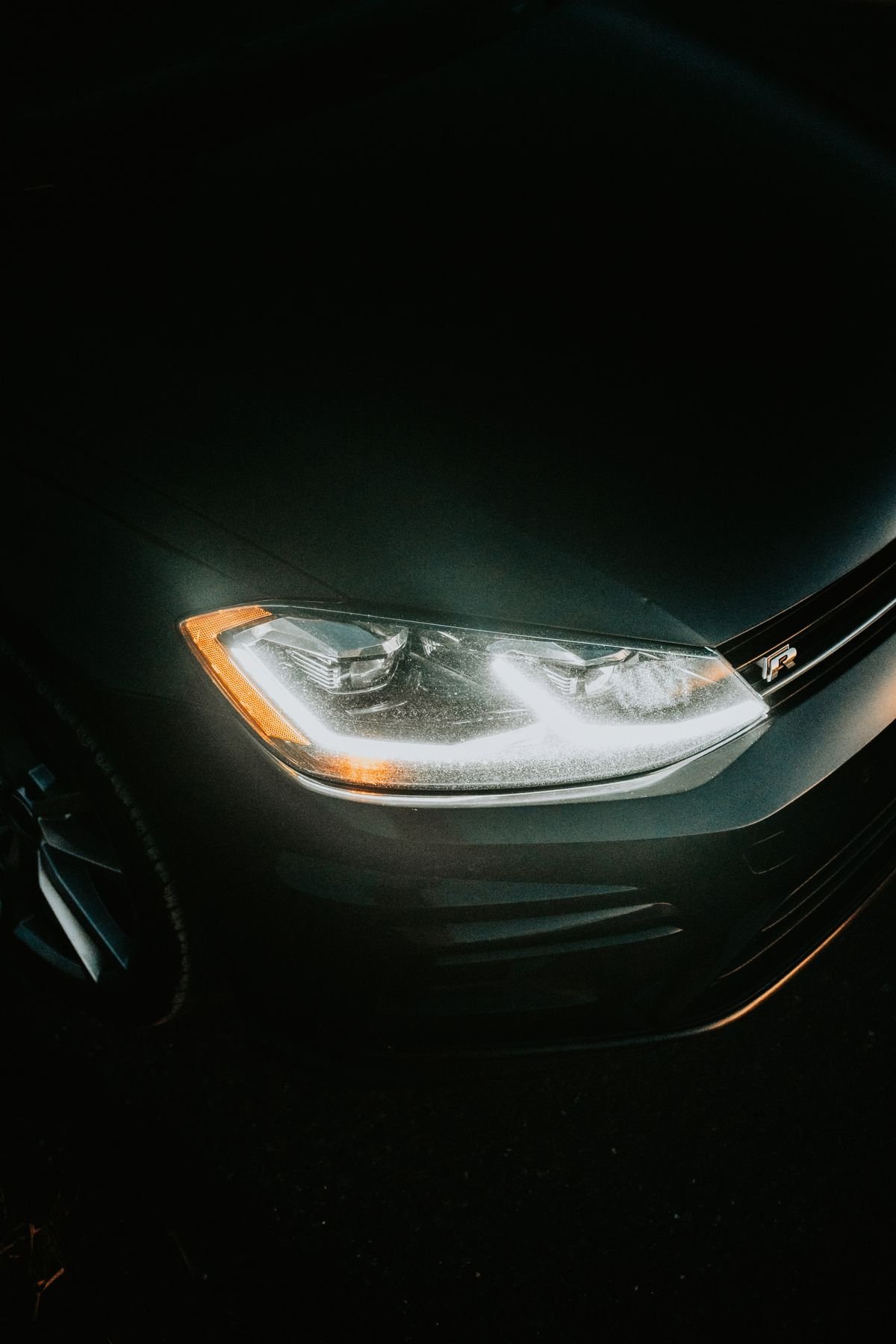
    Good lighting matters for night driving. If your headlights are dim, flicker or keep blowing bulbs, there is usually an electrical cause that can be found.

    Possible causes

    • Weak charging. A tired battery or alternator cannot keep voltage steady, so lights dim at idle.
    • Poor earth connection. A corroded ground strap can make lights flicker or look yellow.
    • Failing bulbs or ageing lenses. Halogen bulbs fade over time, and cloudy plastic lenses cut the light output.
    • Loose connectors. Heat and vibration can loosen the plug behind the headlight.
    • Blown fuse or faulty relay. One light out or both going off together points this way.

    Bulbs that keep blowing

    Repeated bulb failure often means too high a voltage from the charging system, moisture inside the housing, or the wrong bulb type. Swapping the bulb again will not fix it.

    Check before you drive at night

    Walk around the car with the lights on and look at the beam on a wall. Both sides should be bright and even. If they are not, get the wiring and charging checked rather than driving with poor visibility.

  • Car overheating when the A/C is on? What it means

    Car overheating when the A/C is on? What it means

    The A/C adds load to the engine and puts extra heat in front of the radiator. If the temperature gauge climbs when you use it, the cooling system is already near its limit.

    Common reasons

    • Cooling fan not working. The gauge rises in traffic but drops at speed. A failed fan motor, relay or fuse is a frequent cause.
    • Low coolant or a leak. Check the level only when the engine is cold.
    • Blocked radiator or condenser. Dust and debris stop air passing through and cut cooling.
    • Weak water pump or stuck thermostat. The engine may run hot all the time, not only with the A/C.
    • Slipping belt. A worn belt can drive the pump and compressor poorly.

    What to do if the gauge climbs

    • Turn the A/C off and turn the cabin heater on full, which moves heat away from the engine.
    • Pull over safely and switch off if the temperature keeps rising.
    • Never open the radiator cap on a hot engine.
    • Have the car checked before driving it far again.

    Driving an overheating engine can cause serious and expensive damage, so it is worth stopping early.

  • Clicking noise when you turn the key? Why the car will not crank

    Clicking noise when you turn the key? Why the car will not crank

    You turn the key and hear a fast clicking sound, or a single heavy click, but the engine does not turn. What you hear helps narrow it down.

    What the sound tells you

    • Rapid clicking. Usually a low battery. The starter relay opens and closes because there is not enough power.
    • Single loud click. Often the starter motor or solenoid, or a poor connection at the battery.
    • Nothing at all. Could be a dead battery, a loose terminal, a faulty ignition switch or a blown fuse.
    • Engine turns slowly. A weak battery, hot starter or corroded cables.

    Quick checks

    • Do the dashboard lights come on bright, dim or not at all?
    • Are the battery terminals tight and clean?
    • Does the car start with a jump? If so, the battery or charging is likely.
    • Does tapping do anything? A starter that works only sometimes is wearing out.

    Avoid repeated cranking

    Trying again and again can overheat the starter and drain the battery further. If two or three tries fail, stop and get it checked. A short test with a meter usually shows whether it is the battery, the starter or the wiring.

  • Power window not working? Common causes and what to check

    Power window not working? Common causes and what to check

    A power window that will not move is frustrating, and in the Gulf heat it is a real problem. The cause is usually simple to find once you know where to look.

    Common causes

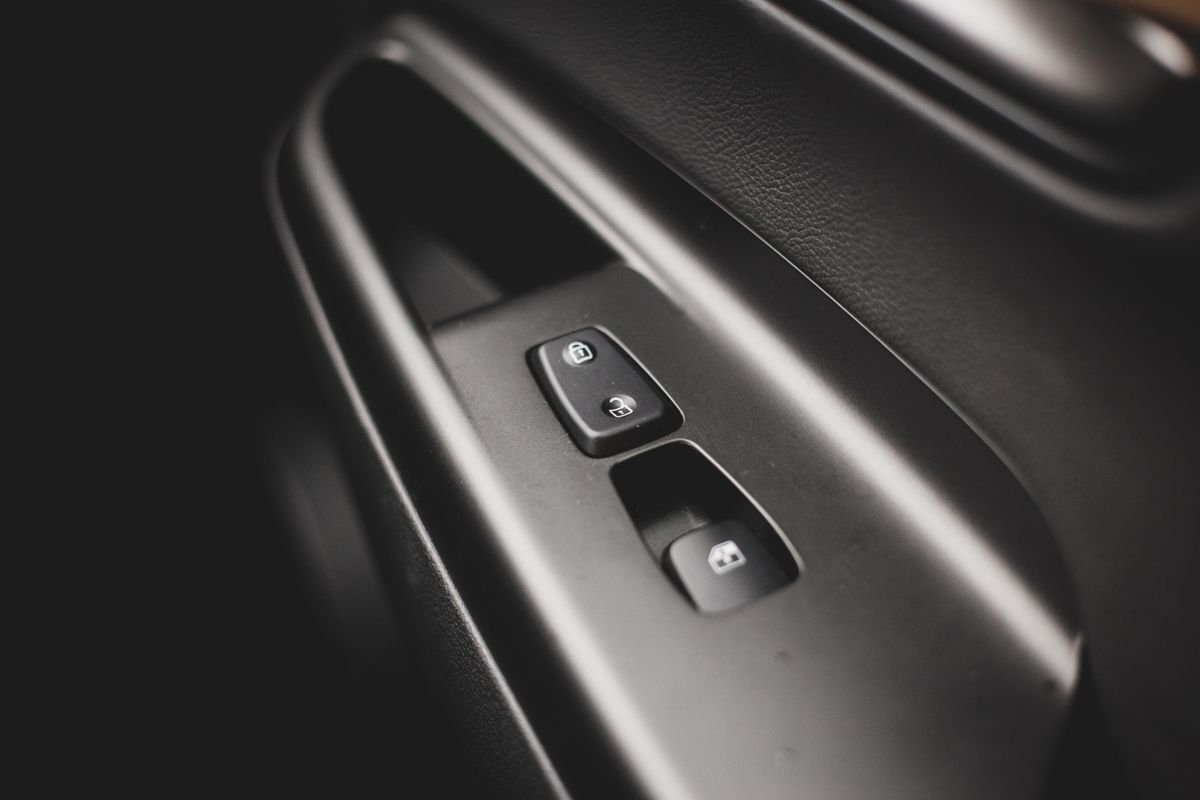
    • Worn window switch. The most common fault. If one window works from the master switch but not from its own door switch, the switch is the likely cause.
    • Failed window motor. You may hear a click or a faint hum but the glass does not move. Slow movement that gets worse over time also points here.
    • Window regulator problem. A grinding or crunching sound, or glass that drops crooked, means the mechanism inside the door is damaged.
    • Blown fuse or relay. If all the windows stop at once, check the fuse first.
    • Broken wiring. The wires that pass between the door and the body flex every time you open and close the door and can break over the years.

    Quick checks

    • Try every window from the driver master switch and from its own door switch.
    • Listen at the door while pressing the switch: a click or hum means the motor is getting power.
    • If all windows are dead, ask a technician to check the fuse and relay.
    • Check that the window lock button on the driver door is not switched on.

    If the window is stuck open

    Do not force the glass up by hand. You can bend the regulator or pop the glass off its guides. A temporary cover keeps rain, dust and heat out until it is repaired.

  • Car key fob not working? Battery, programming or something else

    Car key fob not working? Battery, programming or something else

    A key fob that works only sometimes, or not at all, can leave you using the key in the door like it is 1995. In most cases the cause is minor.

    Start with the easy things

    • Flat fob battery. The most common reason. A short range or having to press several times is the usual first sign. Replace the coin battery.
    • Dirty or worn buttons. Buttons can stop making contact after years of use.
    • Signal interference. Strong radio signals near some parking areas can block the remote briefly. Try moving closer or trying elsewhere.

    When the fob still does not work

    • Fob lost its programming. This can happen after a battery change or a flat car battery. It can often be re-programmed.
    • Weak car battery. A tired battery in the car can stop the receiver working properly.
    • Faulty receiver or wiring. If a spare fob works and the first one does not, the fob is the problem. If neither works, the fault is in the car.
    • Damaged fob. Water damage or a drop can crack the circuit board inside.

    A useful test

    Try your spare key fob. If it works, the problem is with the first fob. If neither works, the car side needs checking, and an electrical test will find the cause quickly. Keep the spare somewhere safe, because having only one key makes any repair more expensive.