
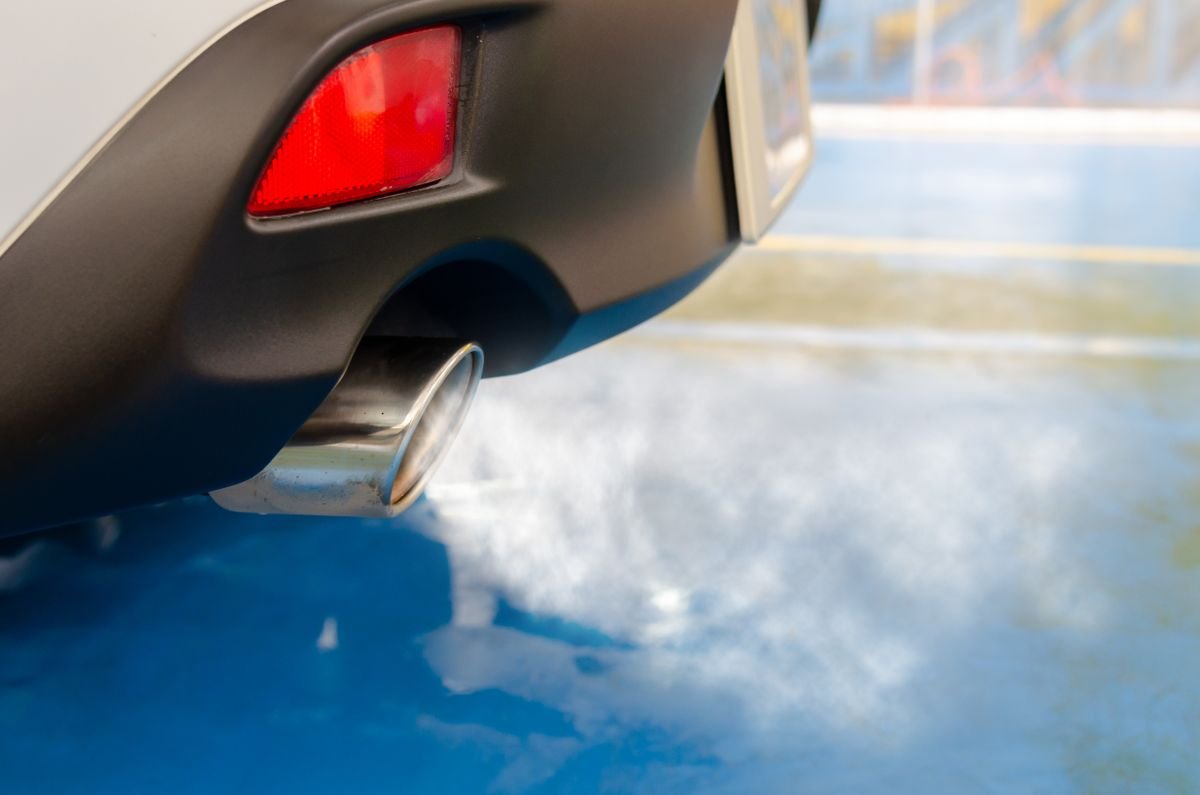
The exhaust system carries hot gases from the engine away from the car, quietens the noise and reduces harmful emissions. When something in it fails, you will usually hear or smell it first.
Some exhaust problems are only noisy and annoying, but others can let fumes into the cabin, so they are worth taking seriously.
A louder or deeper exhaust note
- A hole or crack in the pipe or silencer after rust or road damage
- A failed gasket between the manifold and the pipe, often with a ticking sound when cold
- A silencer that has rusted through or come apart
Rattling or vibrating noises
- Loose or broken rubber hangers letting the exhaust touch the body
- A loose heat shield, which gives a tinny buzz at certain revs
- A broken internal baffle or a failing catalytic converter
Smells and fumes
- A strong fumes smell inside the car can mean a leak near the front of the exhaust: open the windows and have it checked soon
- A rotten egg smell can point to a catalytic converter or fuel mixture problem
- Black smoke can mean the engine is running rich
- White steam on a cold start is normal, but persistent white smoke is not
Why not to leave it
Exhaust fumes contain carbon monoxide, which is dangerous in an enclosed space such as a car cabin. Leaks can also upset the engine sensors, hurting fuel economy and performance, and may cause a failed emissions or vehicle inspection.
What to do
The car is raised on a lift so the whole exhaust can be checked for holes, loose parts and leaking joints. Repairs range from replacing a hanger or gasket to welding or replacing a section of pipe.
If you can hear or smell an exhaust problem, call or WhatsApp the workshop and describe the sound or smell, and we will tell you how soon it should be looked at.