
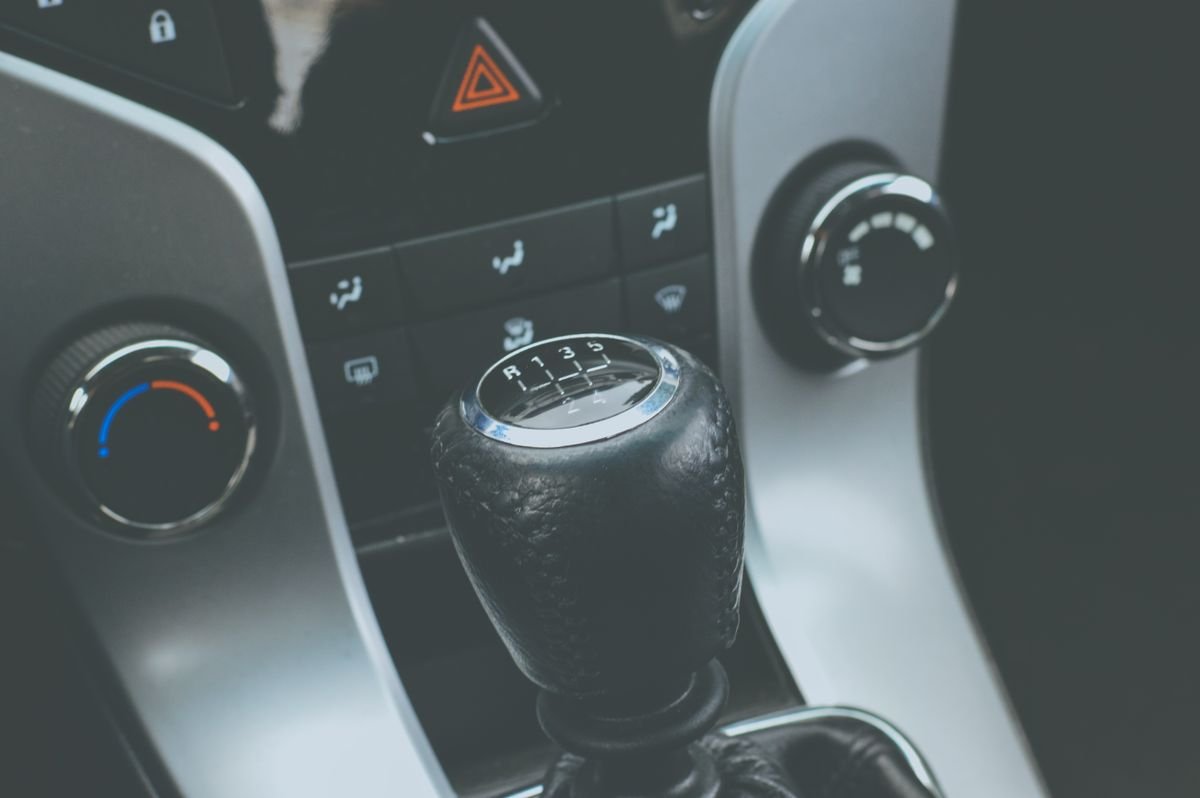
The clutch and gearbox carry the engine power to the wheels. Because they take constant load, especially in stop-start traffic, they wear over time. Problems usually build up gradually, which gives you the chance to act before a breakdown.
This guide covers the typical signs for manual and automatic cars.
Signs of a worn or slipping clutch
- Engine revs rise but the car does not accelerate as it should
- A burning smell after heavy use or hill starts
- Clutch biting very high or very low in the pedal travel
- A spongy, heavy or sticking clutch pedal
- Difficulty selecting gears, especially first and reverse
Signs of gearbox trouble
- Grinding or crunching when changing gear
- Gears popping out of position while driving
- Whining or humming that changes with speed
- Delayed or harsh engagement when shifting from park into drive or reverse in an automatic
- Jerky or slipping gear changes in an automatic
- Fluid leaking under the car
Common causes
- A worn clutch disc, pressure plate or release bearing
- A leaking hydraulic clutch cylinder or low fluid
- Low or old gearbox oil
- Worn synchronisers inside a manual gearbox
- Faulty sensors or valve body issues in an automatic
What to do
Do not ignore a slipping clutch. It tends to get worse quickly and can leave the car unable to move. A mechanic can check the fluid and linkage, road test the car and tell you whether it needs a clutch replacement, a gearbox service or a closer inspection.
If you notice any of these signs, call or WhatsApp the workshop and describe what the car does, and we will tell you what is likely and how urgent it is.