
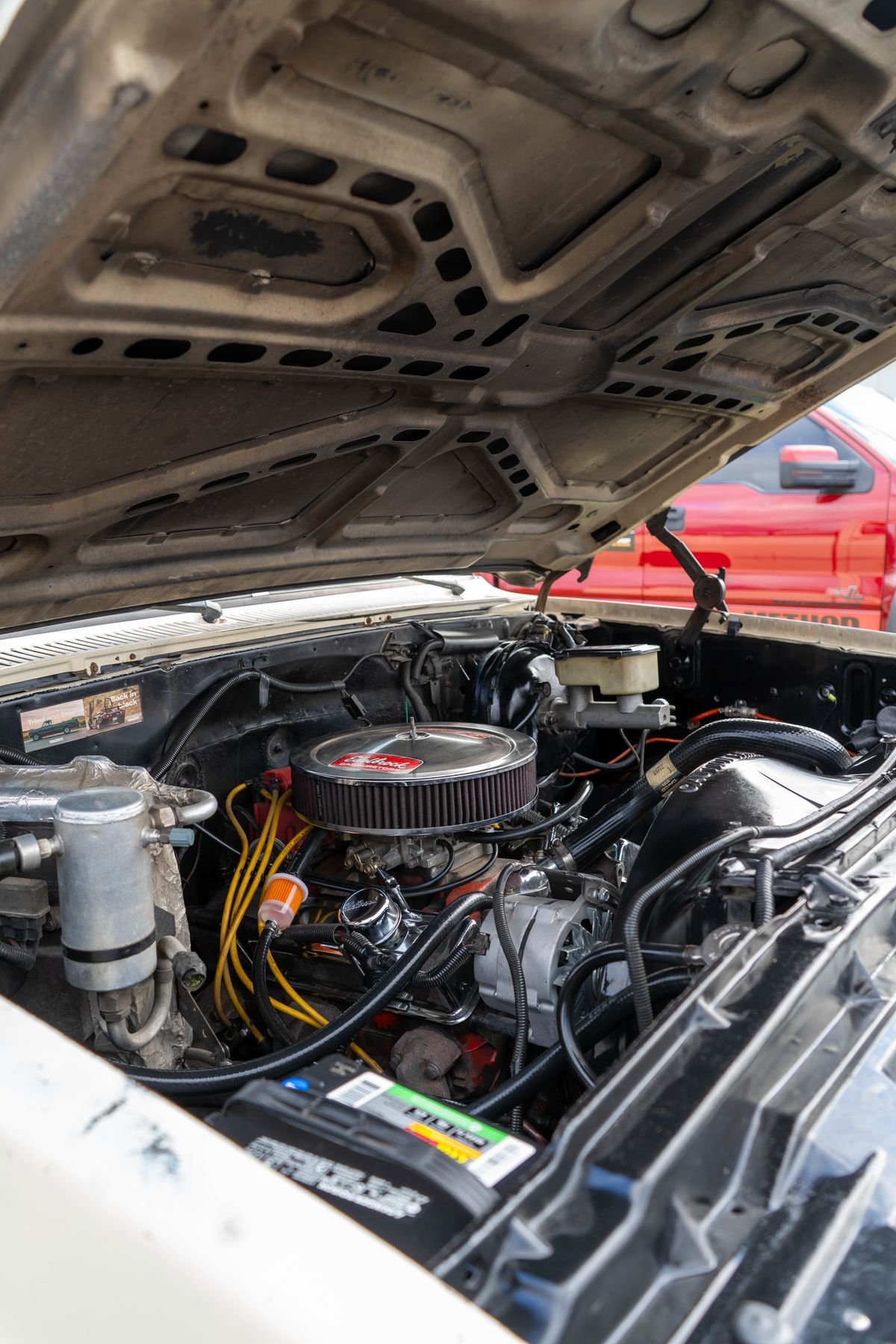
The cooling system keeps the engine at a safe temperature. When coolant runs low or leaks out, the engine can overheat in minutes, and overheating is one of the fastest ways to cause serious engine damage.
In Sharjah summers, with high ambient heat and traffic, the cooling system has very little margin. Knowing the early signs helps you act before the car stops on the road.
Common signs of a coolant problem
- Temperature gauge climbing higher than normal, especially in traffic
- Coolant level dropping in the reservoir without an obvious reason
- A sweet smell from the engine bay or from the vents
- Puddles of green, pink or orange liquid under the car after parking
- Steam from under the bonnet
- Heater or A/C behaving oddly as the engine warms up
Where leaks usually come from
Coolant has to travel through hoses, the radiator, the water pump, the thermostat housing and the heater core. Any of these can wear out with age and heat.
- Cracked or soft rubber hoses and loose clamps
- A corroded or damaged radiator
- A worn water pump seal
- A failing radiator cap that cannot hold pressure
- Head gasket problems in more serious cases
What not to do
- Never open the radiator cap on a hot engine: the system is under pressure and can burn you
- Do not keep driving with the temperature gauge in the red
- Do not rely on topping up with plain water for long, as it lowers boiling protection and corrosion resistance
What to do next
If the car is running hot, pull over safely, switch off the engine and let it cool before checking anything. A mechanic can pressure-test the cooling system to find the leak, check the fan, thermostat and water pump, and flush and refill with the correct coolant.
Seeing coolant loss or overheating? Call or WhatsApp the workshop and describe what you see, and we can advise whether it is safe to drive in.